

Tomb Robbery: Punishments and Culprits
Introduction:
Step back to ancient Egypt’s world of tomb robbery, where treasures beckoned both pharaohs and petty criminals. This thriving black market had its consequences.
Tomb Robbery Papyri: A Treasure Trove of Insights
The Tomb Robbery Papyri are invaluable historical records, offering a window into the complex and often nefarious world of tomb breaking during Ancient Egypt’s Twentieth Dynasty. These documents provide a wealth of information about how tomb thefts were carried out and investigated, shedding light on the methods, motivations, and consequences of this illicit activity.
Among the remarkable pieces of evidence from this era is the Harris Papyrus, also known as BM EA10054, a significant artefact that found its home in the British Museum. This ancient document measures 116cm in length and 41cm in width, with an additional loose 10cm. It contains multiple texts, but the ones most relevant to our discussion are those found on Verso p.1 and Recto p.1. These sections vividly outline the examination of Amenpnūfer, a quarryman implicated in tomb theivery west of Thebes. His account, given under duress following a ‘beating with the stick,’ provides intricate details of his involvement in these crimes and the severe punishments inflicted on him and his fellow robbers.
Tomb Robbery in Ancient Egypt: A Complex Saga
Unveiling the Phases
Tomb robbery in ancient Egypt had many phases tied to the economic state of the time. As tomb break-ins surged, it was more than just an indication of evolving burial practices or religious beliefs, although these factors played a role. A closer examination of the socio-economic landscape reveals a more nuanced picture. An increase in tomb-robbing can be seen as symptomatic of a society facing financial desperation, which led some to turn to the burial sites of their family members in search of commodities.
Not Just for the Desperate
Tomb robbery wasn’t solely a desperate act. Even families of the deceased indulged. The escalating prices of goods and services and the financial hardship that left many labourers unpaid precipitated a necessary departure from the extravagant burial practices of earlier periods. In this economic context, Grave robbery emerged as a means to reintroduce valuable commodities into the market. Previously reserved for religious functions, these items retained significant monetary value. Among the coveted items were canopic jars, pieces of jewellery, amulets, and other material goods that held particular importance, especially in the earlier New Kingdom, as they were deemed essential for the deceased’s journey into the afterlife.
Changing Economic Landscape
The economic upheaval led to less lavish burials, prompting tomb robbers to reintroduce valuable goods into the market. In the Twenty-First Dynasty, mummification complexities made the body a valuable commodity.
Amenhotep I initiated the construction of Deir el-Medina, known as Set-Ma’at, to curb tomb pilfering. Villagers, reliant on the state, guarded tombs discreetly.
Initially effective, this system faltered. Deir el-Medina lacked self-sufficiency, relying on monthly Thebes supplies and Nile water. Late, basic deliveries tempted workers to rob tombs.
Relationships soured during Ramesses III’s reign, as late and missing shipments threatened worker livelihoods. The first recorded labour strike ensued.
Although the strike secured wages, it failed to address the supply problem. Late payments persisted during the New Kingdom’s decline.
Simplified Burials and the Complex Mummification Process
The Twenty-First Dynasty witnessed a transformation in burial patterns, marked by remarkably simpler interments. However, these burials still ensured that the deceased retained value for their journey into the afterlife. To achieve this, the mummification process underwent significant changes.
In contrast to the relatively straightforward embalming methods of earlier periods, during the Twenty-First Dynasty, a new trend emerged. The faces of the deceased were reconstructed on their bodies, and, in some cases, the abdomen was stuffed following organ removal, creating the appearance of vitality. This evolution in mummification practices is intriguingly linked to the prevalence of tomb robbery. By emphasizing the body itself as a valuable commodity, this approach sought to safeguard a unique asset that could not be easily sold or dismantled, as opposed to material goods commonly associated with burials.
Common Stolen Items
Gold and copper from coffins were common targets for tomb robbers due to their easy saleability. One of the most frequently stolen items from tombs was the gold or copper from the coffins themselves. This theft was relatively easy to execute and profitable due to the saleability of these metals without questions about their origin. Interestingly, the stripping of coffins was not limited to professional tomb robbers. Even amateur thieves seeking a modest profit engaged in this practice.
Elites’ Countermeasures
Elites adopted security measures to protect their tombs, but workers’ complicity led to ongoing theft. In response to the rising tide of tomb robberies, particularly in elite graves, measures were taken to safeguard the resting places of the deceased. Elites hired security personnel, acquired more discreet burial plots, and offered incentives to those working on the tomb to reduce the chances of information leaking.
The Pervasiveness of Tomb Robbery
Tomb robbery’s prevalence reveals the economic crises of the late New Kingdom Dynasties. During the New Kingdom (c. 1570 - c. 1069 BCE), tomb robbery escalated. Amenhotep I initiated Deir el-Medina near the Valley of the Kings for secure burials. Despite isolation, tomb protection remained a challenge.
Re-Commodifying Burial Goods
Robbing tombs involved re-commodifying items meant for the deceased, reflecting significant social attitudes. The significance attached to religious objects within burial contexts underscores the extent to which individuals, elites, and even royals emphasised the importance of tomb goods for the deceased in their journey beyond death. The act of re-commodifying these items holds profound significance, symbolising a shift in the cultural and economic landscape.
State-Led Tomb Mining
State-led mining of tombs, especially in the Valley of the Kings, was fueled by Egypt’s economic crisis.During the late Twentieth Dynasty, Egypt resorted to state-led mining of tombs to acquire burial goods, even from high-profile sites like the Valley of the Kings. These commodities were frequently repurposed in subsequent royal burials, illustrating the extent to which tomb robbery had become pervasive during Egypt’s economic turmoil.
Complex Dynamics
Tomb robbery was multifaceted, driven by economic woes, social norms, and shifting burial practices in ancient Egypt.
The Culprits and Punishments:
The severity of punishment hinged on who dared to disturb the sanctity of Egyptian tombs. Believe it or not, pharaohs themselves occasionally succumbed to the temptation of robbing their long-departed ancestors’ graves in pursuit of treasures. It’s reminiscent of the Vikings raiding Bronze Age barrows in Ireland.
Desecration Unveiled:
In the late 19th century, shocking discoveries revealed caches of sarcophagi and mummies desecrated by the Pharaohs of the New Kingdom.
Different actors, different motivations:
Tomb robbing was a lucrative endeavour, but those involved faced varying consequences, shedding light on this intriguing facet of ancient Egypt’s history.
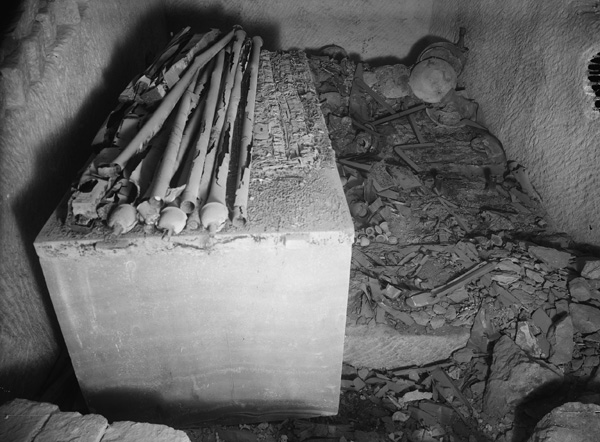
Tomb G 7000X of Hetepheres I, burial chamber, looking South (1926)
The Vulnerable Tomb of a Pharaoh’s Mother
Even Pharaohs’ Kin Targeted:
In the shadowy world of tomb robbery, not even the family of a pharaoh was immune. Take, for instance, the case of Khufu’s mother, whose final resting place was violated mere years after her burial.
Khufu’s Mother’s Misfortune:
Khufu, renowned as the builder of the Great Pyramid of Giza, faced a heart-wrenching revelation—his mother’s tomb had fallen victim to robbers shortly after her interment.
A Son’s Grief:
Unaware of the theft of her body, Khufu reburied her sarcophagus, oblivious to the missing remains. It’s a poignant reminder of the depths tomb robbers would go to, even within their own ranks.
Possible Motive:
The culprits likely spirited away her body to pilfer the precious jewellery she was buried with, leaving behind a trail of sorrow and mystery.
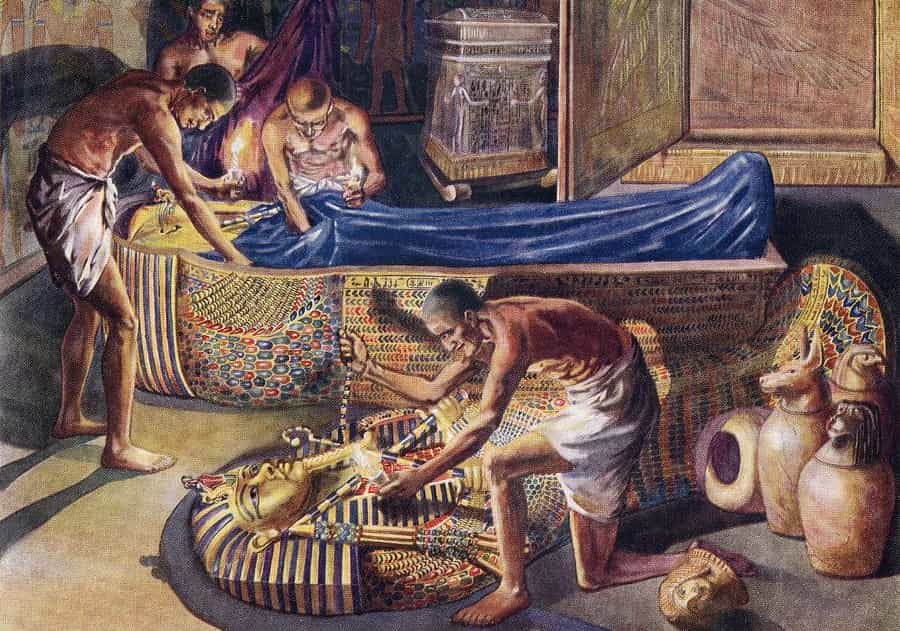
The Thriving Black Market and Petty Criminals of Tomb Robbery
Burial Charms and the Black Market:
The allure of burial charms and trinkets fueled a clandestine black market, where desires for a prosperous afterlife ran deep.
A Widespread Yearning:
In ancient Egypt, the aspiration for a dignified burial and a few protective charms was universal—a testament to the significance of the afterlife.
The Culprits Unveiled:
Unveiling the culprits behind the tomb robbery, it becomes apparent that most were petty criminals. Among them were stonemasons, coppersmiths, and even doorkeepers—individuals from modest backgrounds enticed by the promise of instant wealth.
Inside Help:
Poorly compensated officials and guards, susceptible to bribes, likely played a role in facilitating these daring thefts. The audacity of tomb robbers in Thebes hints at potential inside assistance.
Inside Jobs and Bribes
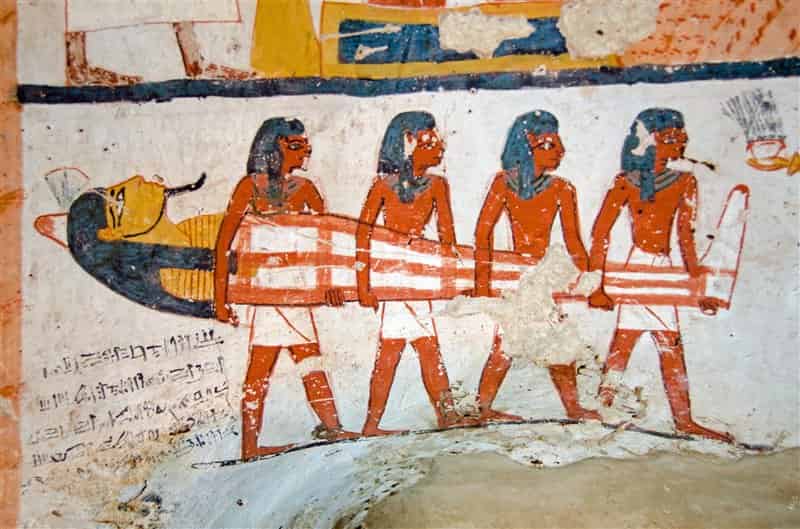
Unmasking the Audacious Tomb Thieves of Thebes
Collusion with Officials and Guards:
The audacious tomb robbers of Thebes left a trail of suspicion, with whispers of collaboration from underpaid officials and guards who succumbed to bribery, facilitating their nefarious endeavours. However, the problem extended beyond large-scale robberies. Many tomb robberies occurred during the burial of new bodies in group tombs, with workers surreptitiously chiselling away gold and silver from previous burials hidden beneath the new coffin. This unsettling revelation suggests that tomb robbery culture permeated various layers of society, including workers within the funerary industry.
The Tradesmen Thieves:
Most of these tomb raiders hailed from the ranks of skilled tradesmen. Their expertise extended to melting down gold and silver or skillfully reshaping items to render them “new.” In an economy predicated on metal weight and barter, the practice of disassembling jewellery for its intrinsic worth and trading it for other commodities thrived.
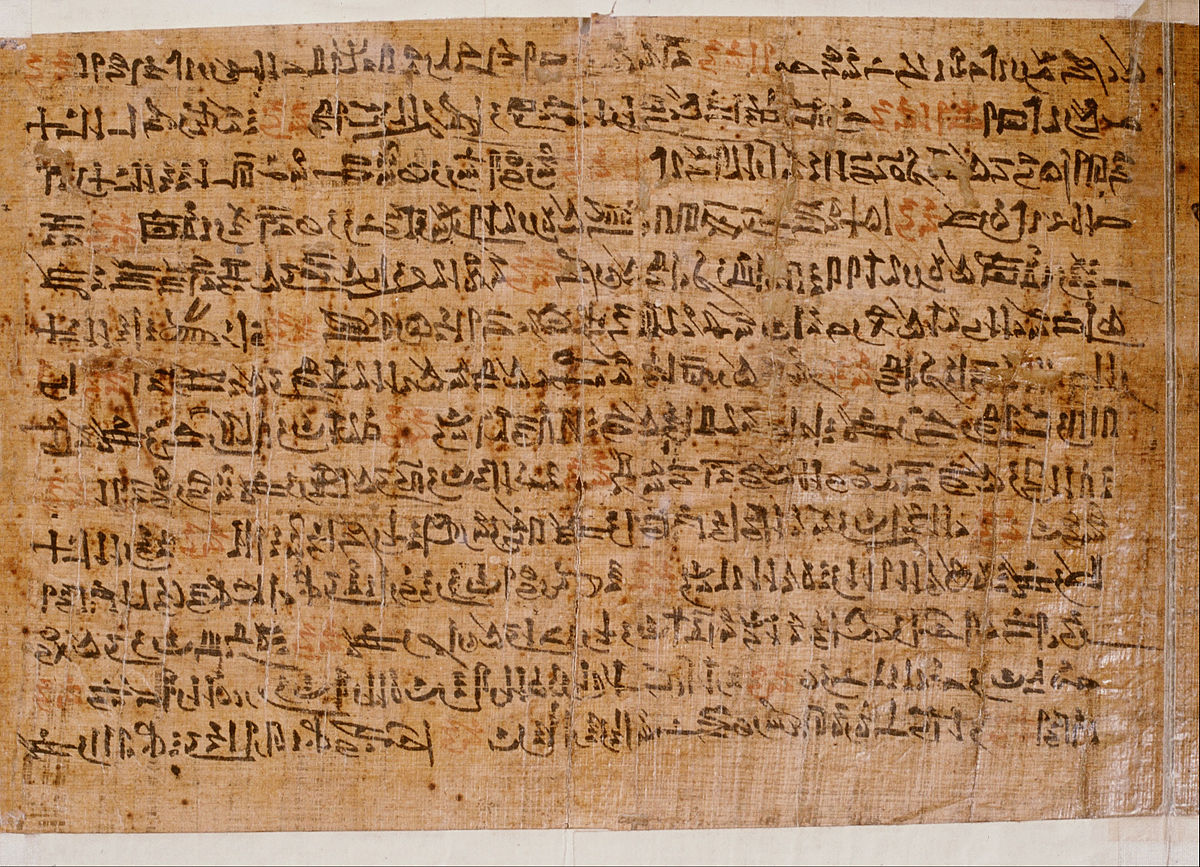
Ipuwer Papyrus
Ancient Egypt’s Turmoil and Punishments for Tomb Robbery
Ipu-wer’s Reflections:
Amidst the turbulent era following the Old Kingdom’s fall, Ipu-wer lamented how wealth turned some into plunderers and robbers, signifying the distress that gripped Egypt for nearly two centuries.
Royal Chastisement:
During those tumultuous times, a subdued king advised his son against despoiling others’ monuments, emphasizing quarrying stone in Tura. As tombs were pillaged, mortuary cults ceased, and the pyramid of Khufu faced likely violation.
The Odds of Being Caught:
The scale of theft hinted at low risks of capture, but if caught, robbers would be “taught a lesson.” Seti I’s Nauri Decree delineated harsh penalties for various theft forms, from beatings and forced labour to amputation, extending even to the offender’s family.
Crimes Against Pharaoh: Capital Offenses:
Stealing from royal tombs and high treason constituted crimes against the pharaoh, punishable by death. While execution is applied to murderers, records remain scarce. Other potential capital offences included adultery, mentioned within the Westcar Papyrus.
Sources:
Law and Order in Ancient Egypt, J.A Van Loon, Leiden University.
Robbing Pharaoh: Royal Tombs and the Underground Economy, Special Lecture to accompany exhibit of artifacts from Tutankhamun’s tomb at Dynamic Earth,. Sudbury, Ontario. August 2015; SSEA Symposium on Crime and Punishment in Ancient Egypt, Toronto, Nov. 1998 Sally Katary
See Also:
Recent Comments